
A couple planning ten days near the ocean may begin with one simple idea and quickly discover how different the country’s coastlines can feel. The Costa Rica top 5 beaches presented here offer a practical starting point for comparing surf, wildlife, swimming, scenery, access, and atmosphere without pretending that one shoreline suits every traveler. Each place rewards a different pace, so the most useful choice depends on the kind of days a visitor wants to build.
Costa Rica has a Pacific coast shaped by broad bays, surf towns, dry forest, marine parks, and long sunset views, while its Caribbean side brings warmer color, denser vegetation, distinctive food traditions, and a more compact coastal route. A beach trip becomes easier when visitors understand those differences before booking flights, lodging, or transport. The goal is not to collect famous names, but to choose places that fit time, mobility, comfort, and personal interests.
Choosing five beaches without reducing their variety
Any useful Costa Rica top 5 beaches selection should represent more than visual beauty. Playa Conchal offers shell fragments and clear water, Manuel Antonio combines protected nature with popular beaches, Santa Teresa centers surf and an active town rhythm, Punta Uva brings Caribbean scenery and calmer moments, and Playa Uvita connects the shoreline with Marino Ballena National Park. Together, they show why the country works for several travel styles rather than one standard beach vacation.
Popularity alone does not explain whether a destination will feel right. Some visitors want a beach they can reach easily after an international flight, while others accept longer road travel for a quieter setting. Families may value shade and gentler water, surfers may focus on breaks and board access, and wildlife enthusiasts may prefer national parks. Lodging location, road comfort, seasonal rain, and local services often shape the experience as much as the sand.
Trip length also changes the value of Costa Rica top 5 beaches. Seven-night itineraries should not cross the entire country simply to include more names, because road travel can consume the time meant for rest. Two well-matched coastal bases usually create a stronger trip than five short stops. Visitors can still see variety by pairing nearby beaches, planning one or two day trips, and leaving enough open time for weather or a slower morning.
What makes a beach useful for different travelers?
No beach remains exactly the same throughout the year. Rain, swell, tides, wind, school holidays, wildlife seasons, and local events can change the mood of a destination. Quiet weekdays can feel very different during Easter week or the late-December holiday period. Travelers should therefore treat photographs as one part of planning and look closely at transport, recent conditions, park rules, and the daily routine around the chosen lodging.
For practical planning, the Costa Rica top 5 beaches become easier to compare when visitors begin with their real priorities rather than a generic idea of paradise. People who dislike long drives may prefer Guanacaste after flying into Liberia. Someone who wants wildlife and short trails may prioritize Manuel Antonio. Surf-focused visitors may accept Santa Teresa’s road conditions, while people drawn to Caribbean food and vegetation may choose Punta Uva.
Basic travel preferences can narrow the options before money is committed:
- Choose easier airport access when the trip is short, includes young children, or follows a tiring flight schedule.
- Prioritize calmer water only after checking local conditions, since every ocean beach can change with tides and weather.
- Select a surf town when lessons, board rentals, and an active social setting are central to the trip.
- Favor national park areas when wildlife, trails, and protected coastal scenery matter more than nightlife.
- Keep at least one unplanned half day for rain, rest, or a beach that deserves more time than expected.
5 coastal places that deserve thoughtful planning
These five places are not interchangeable. Each one asks visitors to accept certain tradeoffs, whether that means an entrance process, a longer transfer, stronger surf, limited late-night services, or a busier town. Comparing Costa Rica top 5 beaches in this way preserves the context of each destination while offering a direct sense of what each beach does well. Stronger results come through a coherent trip, not a route built around checking names off a list.
These five destinations are not interchangeable. Each one requires visitors to consider ocean conditions, transport, surrounding services, atmosphere, and available time. Comparing the Costa Rica top 5 beaches individually makes it easier to identify which shoreline fits a particular trip without reducing the country’s coastal variety to a simple popularity ranking.
Playa Conchal for clear water and peaceful beach days
Playa Conchal stands out in northern Guanacaste because much of its light-colored shoreline is formed by crushed shell fragments rather than ordinary sand. The water often appears clear, while the surrounding region provides access to restaurants, lodging, transport, and several nearby beach communities. It suits visitors who want a visually distinctive Pacific setting without remaining completely isolated from practical services.
Public access may require walking, especially during busy periods or when parking near the beach is limited. Shade can also be scarce in exposed sections, so carrying water, suitable footwear, and reliable sun protection makes the day more comfortable. Ocean conditions still change with wind, tides, and seasonal swell, which means calm-looking water should never replace local advice or careful observation.

Manuel Antonio for wildlife beside Pacific beaches
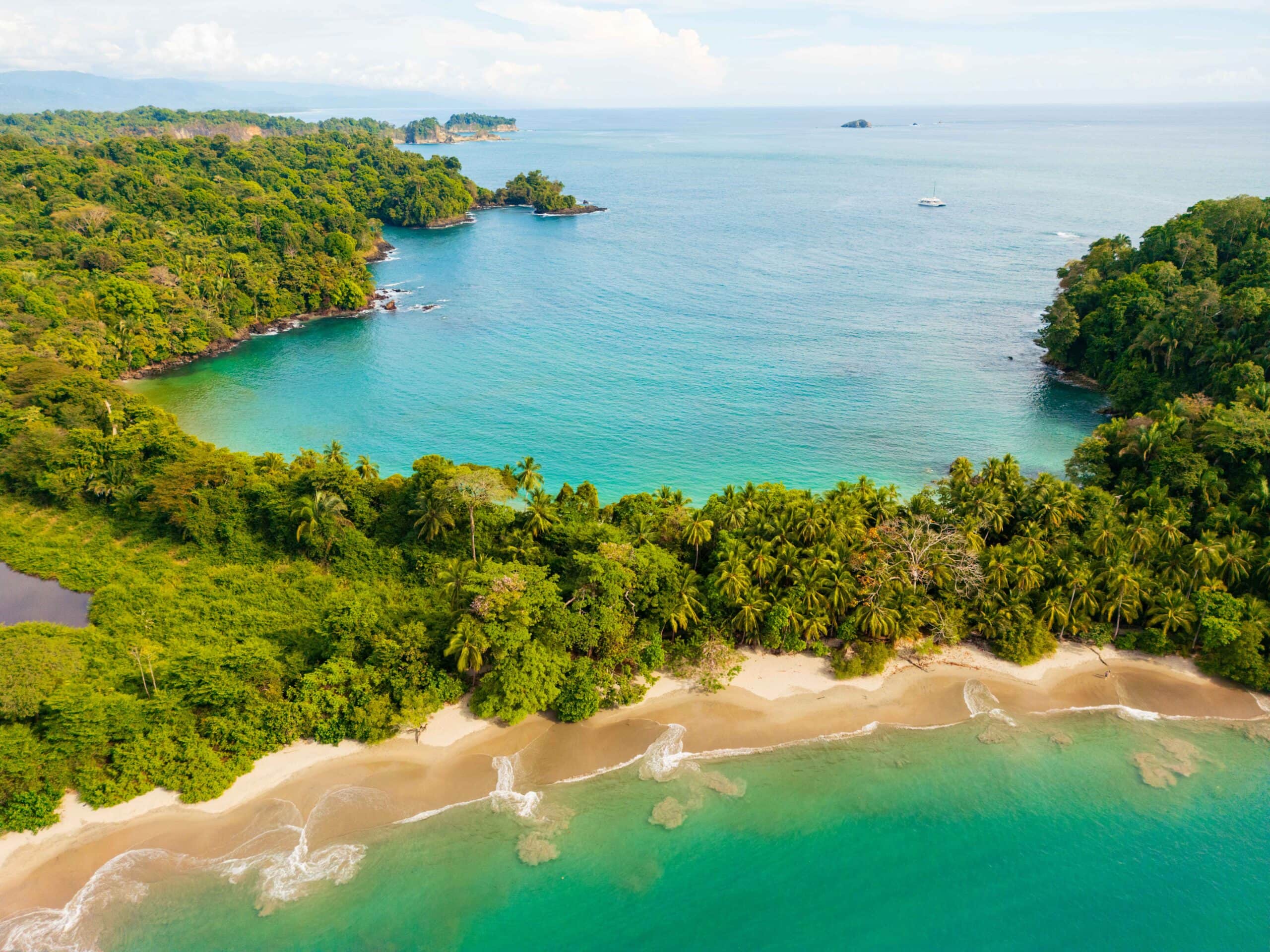
Manuel Antonio combines rainforest trails, protected beaches, and strong possibilities for seeing monkeys, sloths, iguanas, and tropical birds during the same visit. Its location inside a national park gives the experience more structure than an ordinary beach day. Visitors need to consider entrance arrangements, permitted items, opening times, walking distances, and the amount of heat they may encounter along the trails.
Arriving early usually provides more time to explore before temperatures rise and popular areas become busier. Wildlife sightings are possible but never guaranteed, and animals should not be fed or approached. The wider Quepos and Manuel Antonio area offers restaurants, supermarkets, pharmacies, lodging, and tours, although steep roads and hillside properties can affect daily movement more than booking photographs suggest.
Santa Teresa for surfing and active coastal energy
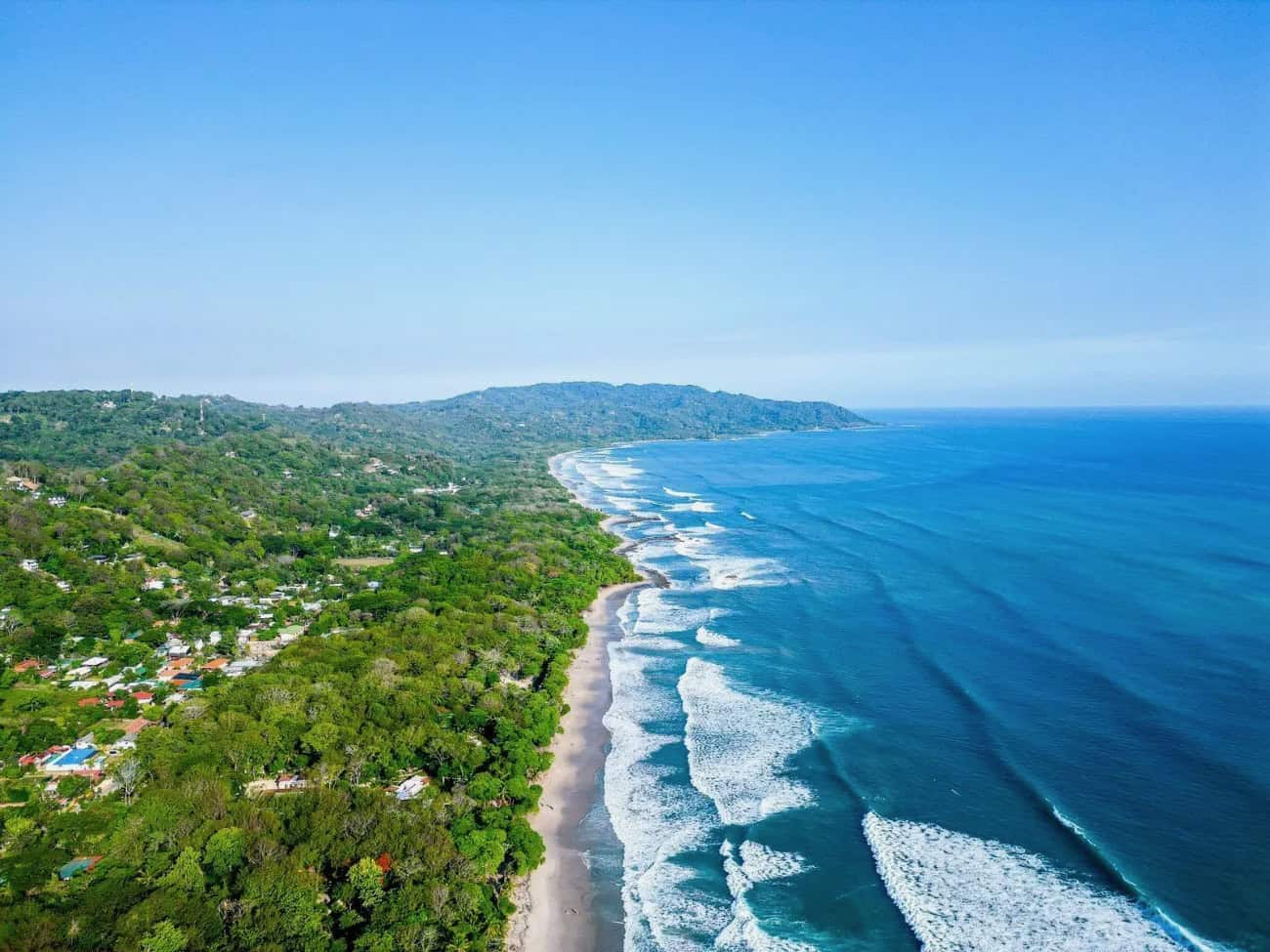
Santa Teresa attracts surfers, longer-stay visitors, remote workers, and travelers who enjoy a lively coastal setting. Its broad shoreline, consistent surf identity, cafés, restaurants, yoga studios, and international community create a more active atmosphere than quieter beach towns. Beginners can find lessons and board rentals, while experienced surfers often choose sessions according to the break, tide, swell, and local conditions.
Daily life can require adjustment because the main road may become dusty during dry months and muddy after heavy rain. Traffic, heat, uneven walking conditions, and distances between lodging, restaurants, and beach access points deserve attention before booking. Santa Teresa suits people who value surf culture and social energy, but it may feel less comfortable for visitors expecting smooth sidewalks, quiet roads, or resort-style organization.
Punta Uva for Caribbean scenery and calmer rhythms
Punta Uva offers a different coastal atmosphere through palms, warm water tones, small bays, dense vegetation, and easy access to the wider Puerto Viejo area. Visitors can combine beach time with cycling, kayaking, wildlife observation, local food, and short trips to nearby communities. Its compact setting works well for travelers who prefer several coastal experiences without spending long hours on the road.
Water may appear gentle at certain times, but rain, currents, waves, and river conditions can alter the shoreline quickly. Travelers should still ask locally before swimming or paddling. Quick-dry clothing, insect repellent, waterproof storage, and flexible plans are especially useful in the Caribbean, where sunshine and sudden showers can shape the same afternoon without reducing the appeal of the visit.

Playa Uvita for marine nature and spacious shores
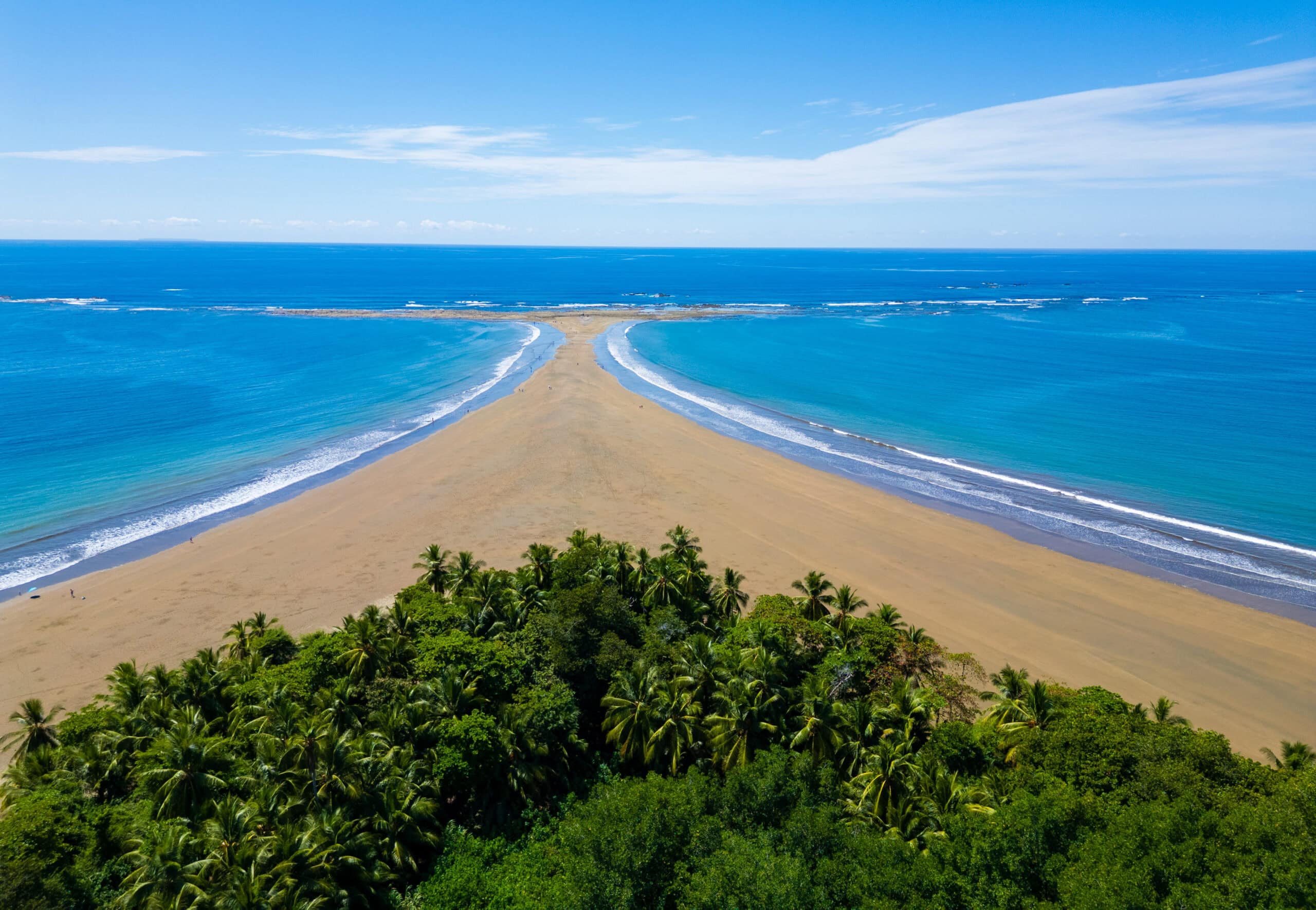
Playa Uvita forms part of Marino Ballena National Park and is closely associated with the whale-tail sandbar visible around low tide. Its broad shoreline, palms, marine setting, and nearby natural attractions make it a strong option for travelers interested in long beach walks, wildlife, waterfalls, and the slower rhythm of Costa Rica’s South Pacific region.
Visitors should check tide timing, park access, sun exposure, and walking distance before trying to reach the whale-tail formation. Whale-watching excursions are popular during relevant migration periods, although sightings depend entirely on nature. Responsible operators should explain sea conditions, departure details, wildlife practices, shade, and possible seasickness without promising a specific encounter.
Why Playa Conchal suits relaxed clear-water beach days?
Within a Costa Rica top 5 beaches itinerary, Playa Conchal works particularly well for travelers who want a northern Pacific stop with striking water color and a shoreline unlike the country’s darker volcanic beaches. Crushed shell fragments give the beach its recognizable texture, while nearby Brasilito and the broader Guanacaste region provide food, lodging, transport, and additional beaches. Strongest experiences begin with preparation for sun, walking access, and changing ocean conditions.
Conchal should not be treated as a guaranteed calm-water beach simply because many photographs show a smooth surface. Wind, tides, and seasonal swell still matter, and children require close supervision. Visitors carrying coolers, chairs, or snorkeling gear should confirm the easiest access route for that day. Early arrival can help with heat and crowds, while footwear may feel useful on shell fragments that become warm under direct sun.
Playa Conchal also fits well into a Guanacaste route that includes Tamarindo, Flamingo, Playa Grande, or inland nature. A practical Tamarindo perspective helps explain how a busier surf center differs from a day focused on Conchal. Keeping the lodging base stable and visiting surrounding beaches as day trips can reduce packing, check-in delays, and unnecessary road time.
Why Manuel Antonio rewards visitors who arrive early?
Among the Costa Rica top 5 beaches, Manuel Antonio is the clearest choice for travelers who want protected rainforest and a scenic shoreline in one structured visit. National park protection adds wildlife, trails, viewpoints, and visitor rules that do not apply to an ordinary public beach. That structure can improve the day when people reserve properly, arrive early, carry only permitted items, and leave enough energy for both walking and beach time.
Wildlife sightings are possible but never guaranteed, and visitors should avoid feeding or approaching animals. Monkeys and raccoons may investigate bags or food, so belongings need attention even during a relaxed swim. Licensed naturalists can help people notice smaller species and understand the forest, though independent visitors can still enjoy the marked paths. Heat and humidity make water, suitable shoes, and a reasonable walking pace essential.
Manuel Antonio and nearby Quepos offer a broad range of lodging, restaurants, supermarkets, pharmacies, tours, and transport. Hillside properties may have impressive views, but steep roads and stairs can affect daily comfort. Beach-centered stays work better when visitors check the true walking route, shuttle availability, park distance, and evening transport before booking. Beautiful rooms are not always the simplest bases for several active days.
How Santa Teresa combines surfing with local energy?
For people drawn to surf culture, Costa Rica top 5 beaches would feel incomplete without Santa Teresa. Its long shoreline, consistent surf identity, yoga options, cafés, restaurants, and international community create an active coastal environment. Beginners who book reputable instruction can enjoy the destination alongside experienced surfers who understand that each break, tide, and swell requires local attention. Non-surfers can still enjoy sunsets, walks, food, and nearby excursions.
Santa Teresa is less suitable for visitors who expect smooth roads, easy sidewalks, quiet traffic, and resort-style organization. Dust can be intense during dry months, rain can affect road surfaces, and movement along the main route may feel slower than expected. Lodging location matters because a room described as close to the beach may still involve heat, hills, or difficult nighttime walking. Recent guest comments often reveal more than promotional photographs.
People seeking a more remote Nicoya experience may compare Santa Teresa with a calmer Montezuma coastal stay. Both places can share an itinerary, but driving conditions and transfer time should be checked before treating them as effortless neighboring stops. Several nights in each location can work when the trip has enough time, yet a short vacation may benefit from choosing one base.
Why Punta Uva supports a gentler Caribbean rhythm?
Punta Uva expresses the Caribbean character within Costa Rica top 5 beaches through palms, small bays, dense vegetation, and warm coastal color unlike Guanacaste or the Central Pacific. Nearby coves can suit swimming, kayaking, short walks, cycling, and wildlife observation when daily conditions cooperate. Puerto Viejo and nearby communities add restaurants, shops, bicycle rentals, and access to several beaches without requiring constant long-distance travel.
Punta Uva is often chosen by people who want a relaxed shore, but calm appearances should never replace local advice. Rain can change river flow and water clarity, while currents and waves vary. Beachgoers should avoid leaving valuables unattended, keep distance from wildlife, and protect reef areas when snorkeling. Small dry bags, insect repellent, and quick-dry clothing are especially useful because beach time and sudden showers may occur within the same afternoon.
Food is a major part of the southern Caribbean experience. Rice and beans prepared with coconut, fresh seafood, Caribbean spices, cacao, fruit, and locally rooted recipes give the region a distinct identity. Dining plans should leave room for small restaurants and community businesses rather than relying only on familiar international-style venues. Respectful curiosity supports a richer visit and keeps the beach connected to the culture surrounding it.
How Playa Uvita connects coastal time with nature?
Within the South Pacific, Costa Rica top 5 beaches gains depth through Playa Uvita and Marino Ballena National Park. Broad shoreline sections, palms, marine scenery, and the whale-tail formation create a beach day linked to tides and conservation. Park guests should check access, low-tide timing, sun exposure, and walking distance because the visual landmark is part of a natural coastal process rather than a permanently visible structure.
Whale-watching is one of the area’s best-known activities during relevant migration periods, although sightings depend on nature and responsible operators should never promise a specific encounter. Boat conditions, departure times, seasickness, shade, and wildlife practices deserve attention before booking. Land-based visitors can enjoy beach walks, nearby waterfalls, cafés, and short trips around the Costa Ballena area without filling every day with tours.
Readers seeking additional context can compare these five destinations through a broader beach comparison that includes Pacific and Caribbean options. Uvita remains especially useful for travelers combining Dominical, Ojochal, Sierpe, or the Osa route. Still, adding distant destinations should not reduce the time available for Marino Ballena, local meals, rest, and the slower rhythm that defines the South Pacific.
Planning routes across two very different coastlines
Realistic Costa Rica top 5 beaches planning should not attempt to cover all five destinations in one rushed vacation. Northern Guanacaste and Santa Teresa both lie on the Pacific side, yet road travel between them can still be significant. Manuel Antonio and Uvita pair more naturally because they share the central and southern Pacific corridor. Southern Caribbean routes can connect Punta Uva with Puerto Viejo, Cahuita, and nearby wildlife areas.
Airport choice can shape the entire itinerary. Liberia is usually more practical for northern Guanacaste, while San José often works better for Manuel Antonio, Uvita, and the Caribbean. Santa Teresa may involve road travel, a ferry route, or a domestic connection depending on schedule and budget. Route planning should compare total door-to-door effort rather than airfare alone, especially after evening arrivals or when traveling with children and substantial luggage.
In most cases, the Costa Rica top 5 beaches serve better as a selection tool than a single route. First trips might combine Manuel Antonio with Uvita, or Conchal with another Guanacaste base. Separate Caribbean vacations could focus on Punta Uva and Cahuita. This surf town may deserve its own Nicoya stay. This approach protects beach time and reduces the fatigue created by repeated packing, road delays, and short hotel stays.
Beach safety, seasons, and practical daily comfort
Ocean respect belongs in every coastal plan. Flags, lifeguards, local advice, tides, river mouths, rocks, boats, and surf activity can all affect where and when people enter the water. Beaches that felt gentle yesterday may behave differently after rain or a change in swell. Swimmers should avoid entering unfamiliar water alone, swimming after drinking alcohol, or relying on social media images as proof of current safety.
Across Costa Rica top 5 beaches, seasonal differences influence more than rainfall. Dry months can bring intense heat, dust, busier roads, and stronger demand for rooms. Green months often offer richer vegetation and quieter weekdays, while showers may affect trails, visibility, transfers, or boat plans. Caribbean weather follows a different pattern than the Pacific, so travelers should check the specific coast rather than using one national forecast for the whole trip.
Daily comfort depends on ordinary habits. Hydration, shade, light clothing, sunscreen, insect repellent, secure storage, and rest periods help prevent a pleasant day from becoming exhausting. Anyone with prescriptions, allergies, mobility needs, or young children should carry familiar essentials. Small coastal towns may have pharmacies and shops, but selection and opening hours can differ from larger cities, particularly during holidays or late evenings.
Packing choices that support easier tropical beach days
Packing for Costa Rica top 5 beaches should focus on heat, humidity, rain, salt, sand, and movement. Quick-dry clothing, swimwear, a broad-brimmed hat, sunglasses, sandals with grip, a refillable bottle, and a compact rain layer cover most daily needs. Waterproof pouches protect phones and cards, while a light daypack makes park walks easier. Formal clothing usually has less value than a second dry shirt or dependable footwear.
Packing plans should also consider how each destination changes the supply list. Park visits in Manuel Antonio call for walking shoes and suitable supplies. Local conditions may require surf gear arrangements and stronger dust protection. Caribbean humidity makes insect repellent and rain flexibility especially useful. Uvita benefits from sun protection and water for longer beach walks. Conchal visitors may appreciate footwear for warm shell fragments and public access paths.
Responsible behavior should remain practical rather than performative. Refillable containers, careful waste handling, wildlife distance, reef-conscious products, and support for local businesses all help coastal communities. Costa Rica’s ecotourism development also shows why nature-based travel carries responsibilities beyond personal enjoyment. Respectful travelers protect the experience when they follow park rules, reduce disturbance, and treat each beach as a living environment.
Matching each shoreline to a realistic travel style
Beach choices become easier when travelers picture an ordinary day instead of an idealized photograph. They should consider morning transport, walking distance, shade, meals, ocean activity, rest, and the effort required to reach nearby places. Those details reveal whether a destination supports the intended trip or creates daily friction that could have been avoided through a more suitable base.
Final review of Costa Rica top 5 beaches should lead back to fit. Clear-water appeal and Guanacaste access define Conchal, while Manuel Antonio serves wildlife-focused travelers, Santa Teresa centers surfing and social energy, Punta Uva offers Caribbean character, and Uvita links the coast with marine nature. None is universally superior. Strongest choices support the traveler’s time, comfort, interests, and willingness to respect local conditions.
Laura Varela Fallas shares a view on coastal travel
In my view, Costa Rica’s beaches are most valuable when their differences remain visible. Popular lists can help people begin planning, but they should not flatten Conchal, Manuel Antonio, Santa Teresa, Punta Uva, and Uvita into interchangeable photographs. Coastal regions each have their own communities, weather patterns, food, road realities, and relationship with nature. Appreciating those distinctions gives travel greater depth and encourages visitors to arrive with respect rather than a checklist.
- Coastal beauty should be enjoyed without ignoring water safety, wildlife boundaries, or local rules.
- A slower itinerary usually creates more space for local food, rest, and genuine attention to place.
- Tourism has greater value when spending supports responsible businesses and community livelihoods.
- Famous beaches still deserve patience, especially during crowded seasons and changing weather.
- Personal preferences matter because no single destination can represent the entire country.
I believe a thoughtful beach trip can strengthen appreciation for Costa Rica without turning every visit into a race across the map. Remarkable variety exists within Costa Rica’s relatively compact territory, yet that does not mean every coastline should be combined at once. Choosing fewer places, staying longer, and noticing how daily life surrounds the sand can create a more honest experience. Coastal beauty remains clear, but the community, environment, and traveler’s behavior determine how meaningful the stay becomes.